Protective clothing for food production
Protective clothing in food production plays a key role in ensuring product safety and worker health. Its primary purpose is to prevent food contamination by foreign particles, microorganisms and chemicals, and to protect personnel from potential hazards associated with the production process. This is not just a matter of compliance with standards, but a fundamental requirement for maintaining high quality and company reputation.
Inappropriate use or lack of proper protective clothing can have serious consequences. Microbial contamination of products is possible, leading to food poisoning and disease outbreaks, as well as financial losses for the company through product recalls and fines. In addition, workers can suffer burns, cuts or contact with harmful substances if their clothing does not provide sufficient protection. Therefore, understanding the requirements for protective clothing and its correct selection are critically important for any food processing enterprise.

Main types of protective clothing and their purpose
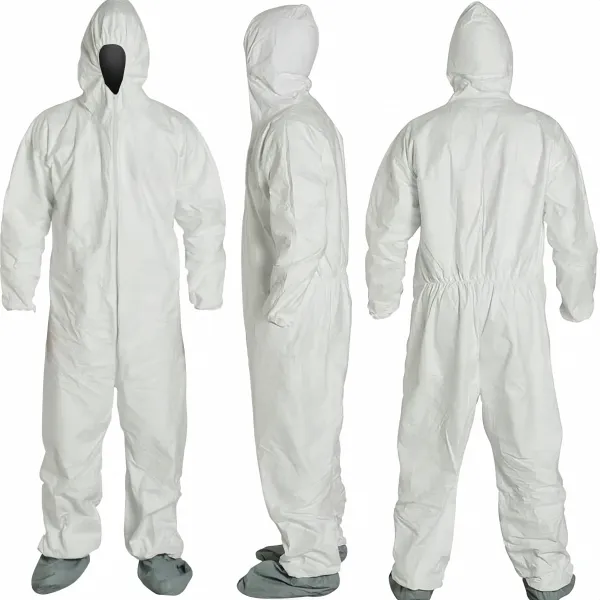
Protective clothing for the food industry includes a wide range of elements, each of which performs its own specific function. The basic set usually includes gowns or suits, hats, gloves and special shoes. Gowns or suits are the first barrier between the worker and the product, preventing hair, skin particles and clothing from getting into the food. They should be comfortable, not restrict movement and easy to wash.
Headgear such as caps, nets or caps are mandatory for anyone who works with food. They effectively prevent hair from getting into food, which is one of the most common causes of contamination. It is important that the headgear completely covers the hair. Gloves are used to protect workers’ hands and prevent cross-contamination of products. They can be disposable or reusable, depending on the type of work, and must be made of materials safe for contact with food.
Special footwear must meet hygiene and safety requirements. It must be waterproof, easy to clean and have non-slip soles to prevent falls. In some cases, depending on the specifics of the production (for example, working with hot liquids or sharp objects), additional protection may be required: aprons, arm warmers or special glasses. Aprons protect clothing from contamination, while sleeve cuffs protect against splashes and contact with products.
Materials and selection criteria
The choice of materials for protective clothing is critical to its effectiveness. Synthetic fabrics such as polyester are most often used, which are durable, wear-resistant, easy to wash and quick-drying. They are also less prone to pilling, which reduces the risk of fibers getting into the product. Popular materials for gloves are nitrile, vinyl and latex, with nitrile gloves being the preferred choice for the food industry due to their hypoallergenicity and puncture resistance.
There are several key criteria to consider when choosing protective clothing. Hygiene is a primary factor: the clothing should be easy to clean, disinfect and withstand frequent washing at high temperatures. Worker comfort is also very important, as uncomfortable clothing can reduce productivity and create additional discomfort. Clothing should be breathable and not cause overheating.
The durability of materials and seams ensures a long service life of clothing, which is economically beneficial. Resistance to mechanical damage and aggressive environments (e.g. acids, alkalis) is also important for certain production areas. Finally, the clothing must meet all regulatory requirements and safety standards established for the food industry in Ukraine and by international organizations.
Care and hygiene maintenance
Proper care of protective clothing is no less important than its selection. Regular washing and disinfection are mandatory to prevent the accumulation of bacteria and contamination. The frequency of washing depends on the intensity of use and the specifics of the work, but, as a rule, clothing should be washed daily or after each shift. It is important to use the appropriate detergents and follow the manufacturer’s recommendations for washing temperature.
The correct storage of clean protective clothing is also of great importance. Clothing should be stored in separate, clean cupboards or changing rooms, away from production areas and any sources of contamination. It is forbidden to store clean clothing together with dirty or personal items. This helps to maintain its hygienic cleanliness until the moment of use.
A system for monitoring and replacing worn or damaged clothing is another critical aspect. Any damage, such as tears, abrasions or loose seams, can become a source of contamination and reduce the protective properties of the clothing. Regular checks of the condition of the clothing and its timely replacement ensure a constant level of protection and hygiene.
Therefore, proper protective clothing is an integral part of the food production safety system. Investing in quality clothing, following the rules for its operation and care is the key to producing safe and high-quality products, as well as protecting the health of workers. A comprehensive approach to this issue allows enterprises to meet the highest standards of hygiene and safety.
Based on materials https://horoshun.com.ua/ua/


How to build a wardrobe for several seasons
